The Treasure Guide
Practical pest prevention, identification and home-care advice for Orange County homeowners — expert but easy to read, and local through and through.


 Homeowner TipsNovember 19, 2026
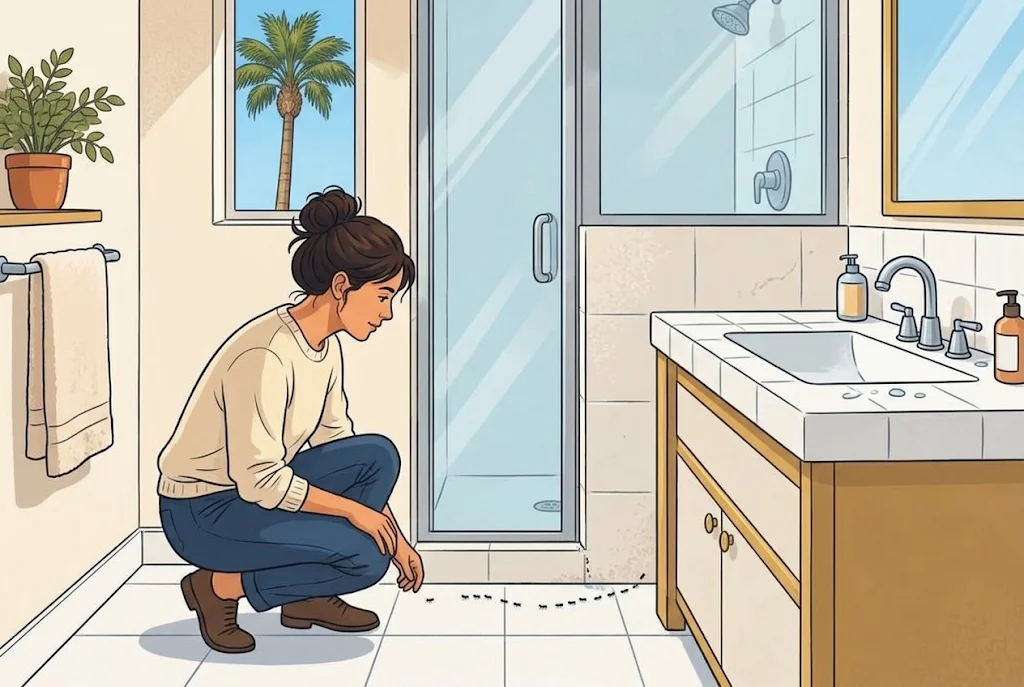
Tiny Ants in the Bathroom? Here's What They're Looking For
Ants in the bathroom are usually after water, not food. Moisture from showers, sinks and slow leaks draws them in, especially during dry weather.
Read the guide Pest ProblemsNovember 19, 2026
American, Oriental, or Turkestan Cockroach? A Southern California Homeowner's Guide
Wing development, markings and life stage help identify outdoor cockroaches. Compare several features, and distinguish German cockroaches before deciding on service.
Read the guide Homeowner TipsNovember 19, 2026
What Pet Owners Should Ask Before a Pest Control Visit
Before any pest control visit, pet owners should ask what products will be used, where, and any instructions for pets during and after service. A good provider will welcome the questions.
Read the guide Homeowner TipsNovember 19, 2026
Does Pest Control Need to Happen Every Month?
Not necessarily. How often a home needs service depends on the pests involved, the property and the plan. Many recurring plans visit every other month or quarterly, with extra visits if problems come back.
Read the guide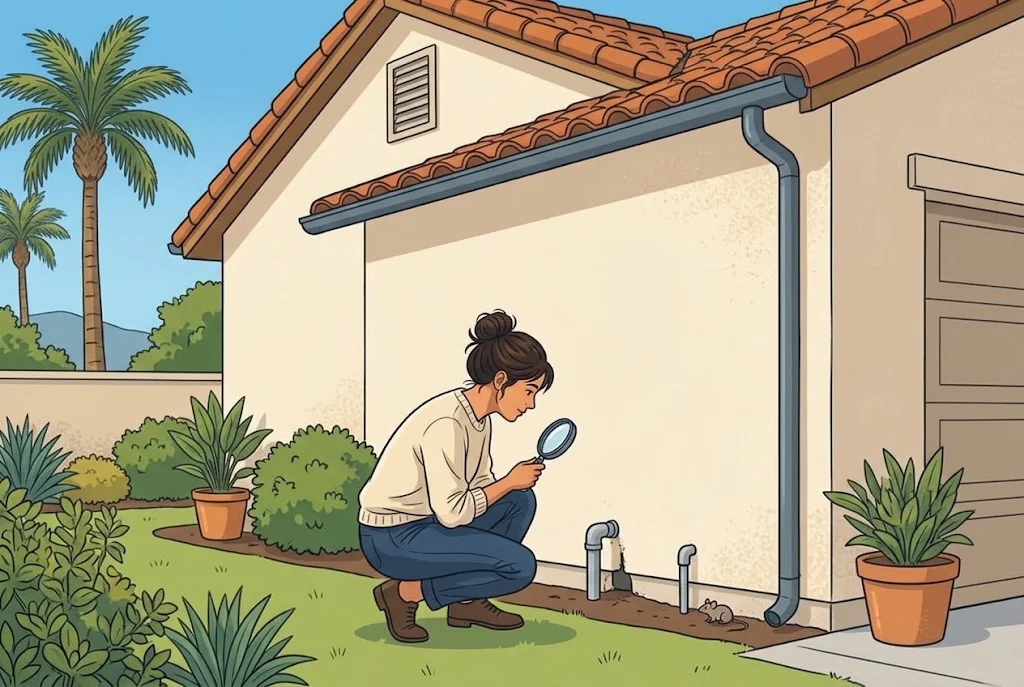 Homeowner TipsNovember 19, 2026
Seven Places Mice and Rats May Be Entering Your Home
Mice and rats can squeeze through surprisingly small gaps. The most common entry points are around garage doors, roof vents, utility penetrations, and where rooflines meet.
Read the guide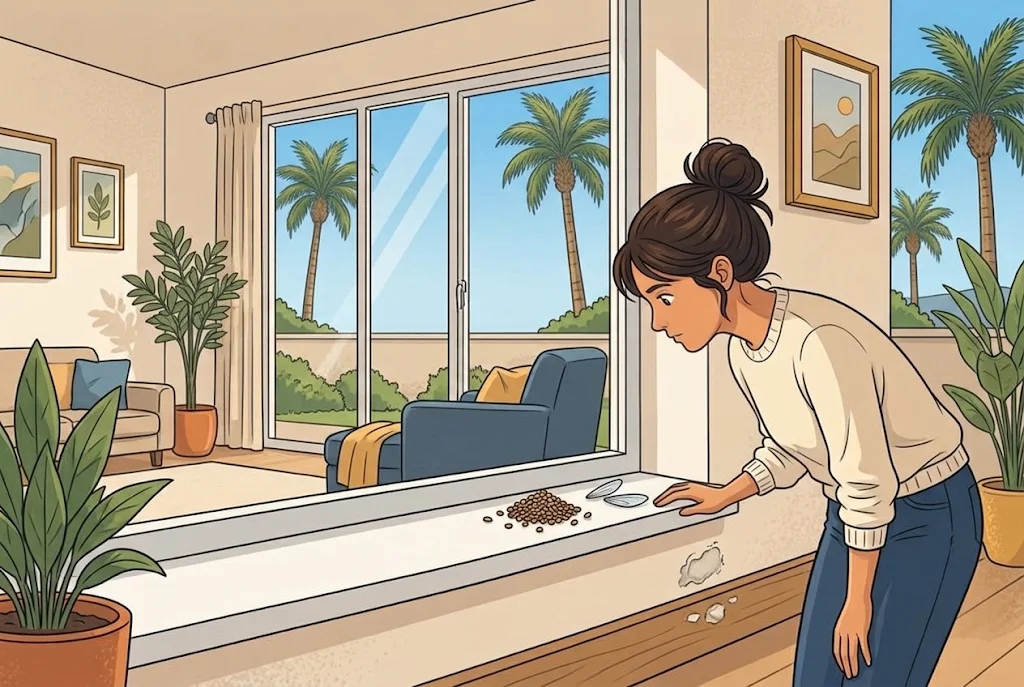 Pest ProblemsNovember 19, 2026
Five Possible Signs of Termites in Your Home
Common signs of termites include mud tubes, small pellet piles, discarded wings, hollow-sounding wood and blistered paint. None of these alone confirms termites, but any is worth an inspection.
Read the guide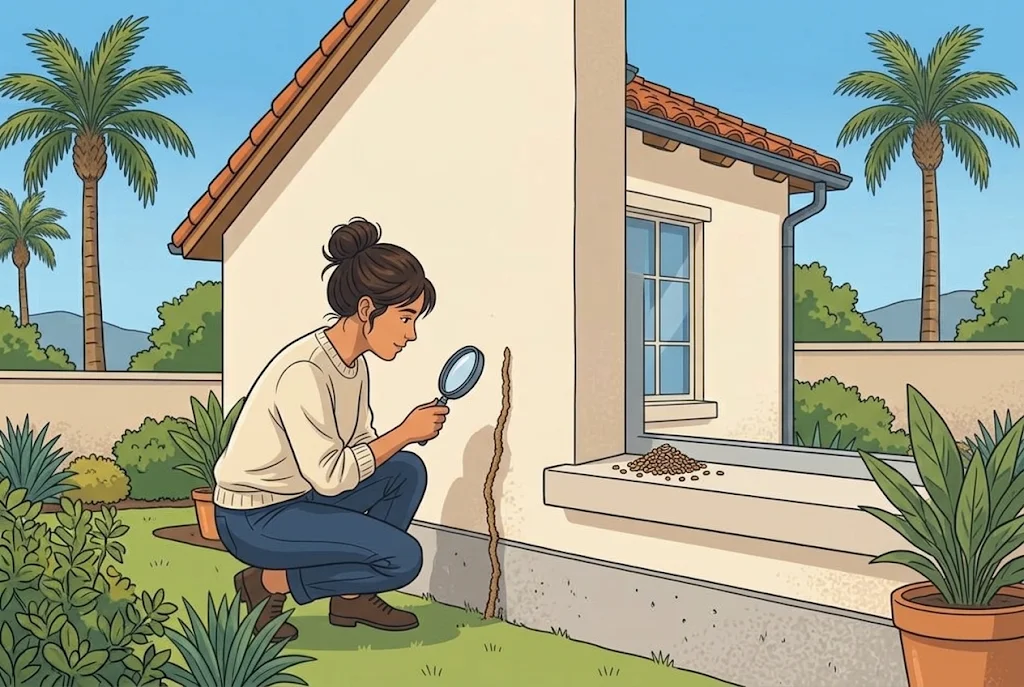 Pest ProblemsNovember 19, 2026
Drywood vs. Subterranean Termites in Orange County
Orange County homes can have two main types of termites. Subterranean termites live in the soil and build mud tubes, while drywood termites live entirely inside wood and leave small pellets.
Read the guide Homeowner TipsNovember 19, 2026
Green Pest Control vs. Traditional Treatments: What Homeowners Should Know
What "green" pest control actually means, how IPM works, what minimum-risk and botanical products are, and the questions worth asking any provider.
Read the guide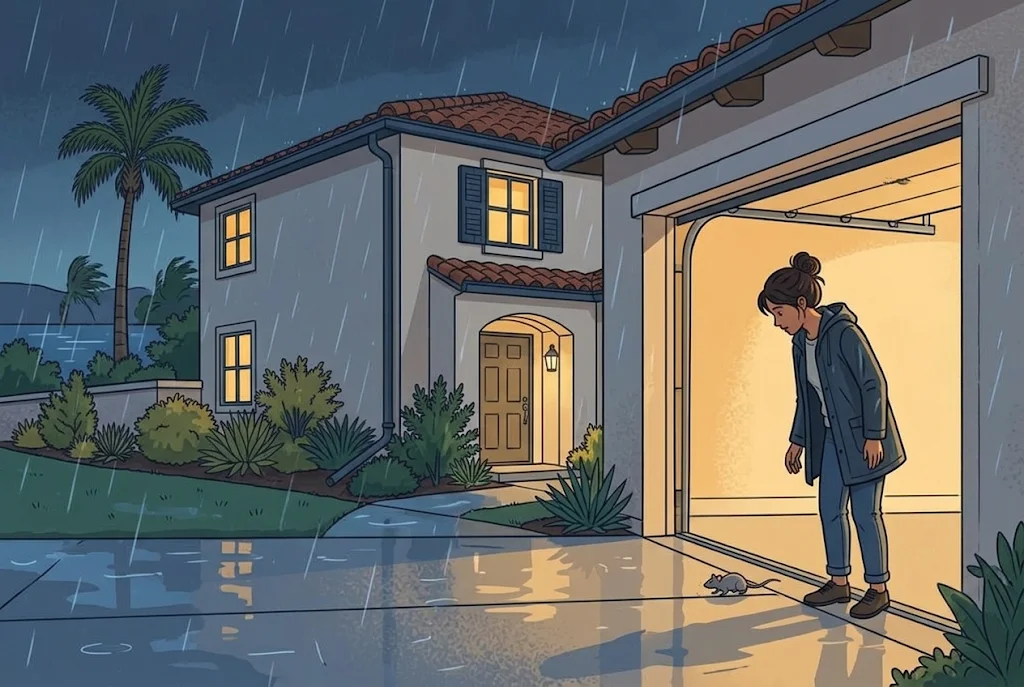 Pest ProblemsNovember 19, 2026
Do Rats and Mice Come Inside When It Rains? What Orange County Homeowners Should Know
Wet weather can send rodents looking for dry shelter, but rain alone isn't the whole story. What to watch for, where they get in and how to prepare before the next storm.
Read the guide Pest ProblemsNovember 19, 2026
Big Cockroach in Your Garage After Rain? Here's What to Know
A large roach near a garage can be an outdoor visitor, but one sighting cannot establish its source or rule out an indoor problem. Identify it and check conditions.
Read the guide Pest ProblemsNovember 19, 2026
Flying Ants or Termites After Rain? How to Tell What You've Found
Compare wings, antennae and waist together. Some subterranean termites swarm after rain, but an exterior swarm alone does not prove your home is infested.
Read the guide Pest ProblemsNovember 19, 2026
Why Ants Show Up in Orange County Kitchens After Rain
Ants may come inside when outdoor conditions change, but food, water and entry openings also matter. Trace the trail before assuming rain flooded a nest.
Read the guide Pest ProblemsNovember 19, 2026
Mud Tubes on Your Foundation? What Orange County Homeowners Should Know
Subterranean termites can build earthen shelter tubes between soil and wood. A suspected tube merits inspection; appearance alone does not establish current activity.
Read the guide Pest ProblemsNovember 19, 2026
Found a Black Widow? What a Professional Spider Inspection Actually Looks For
A good widow spider inspection identifies what's actually there, looks at the conditions attracting it, and explains next steps clearly before any treatment is quoted.
Read the guide Pest ProblemsNovember 19, 2026
Black Widows in Your Garage? 9 Places Worth Checking
Garages offer the dark, undisturbed corners and clutter western black widows favor. Here are nine places worth checking, from a safe distance, and how to make the space less inviting.
Read the guide Pest ProblemsNovember 19, 2026
Black Widow Egg Sacs vs. Brown Widow Egg Sacs: What Homeowners Should Know
Western black widow egg sacs are pale, tough and round or teardrop-shaped. Brown widow egg sacs are covered in small silk spikes. Here's what each means and what to do.
Read the guide Pest ProblemsNovember 19, 2026
Black Widow vs. Brown Widow: How to Tell the Difference in Orange County
Adult female western black widows are usually shiny black with a red hourglass; brown widows are tan to brown with an orange hourglass and spiky egg sacs. Here's how to tell them apart safely.
Read the guide Pest ProblemsNovember 17, 2026
Rats in Your Attic? What Orange County Homeowners Should Do First
Scratching overhead? How to read the signs safely, where rodents may get in, and how inspection, trapping, sealing and monitoring fit together.
Read the guide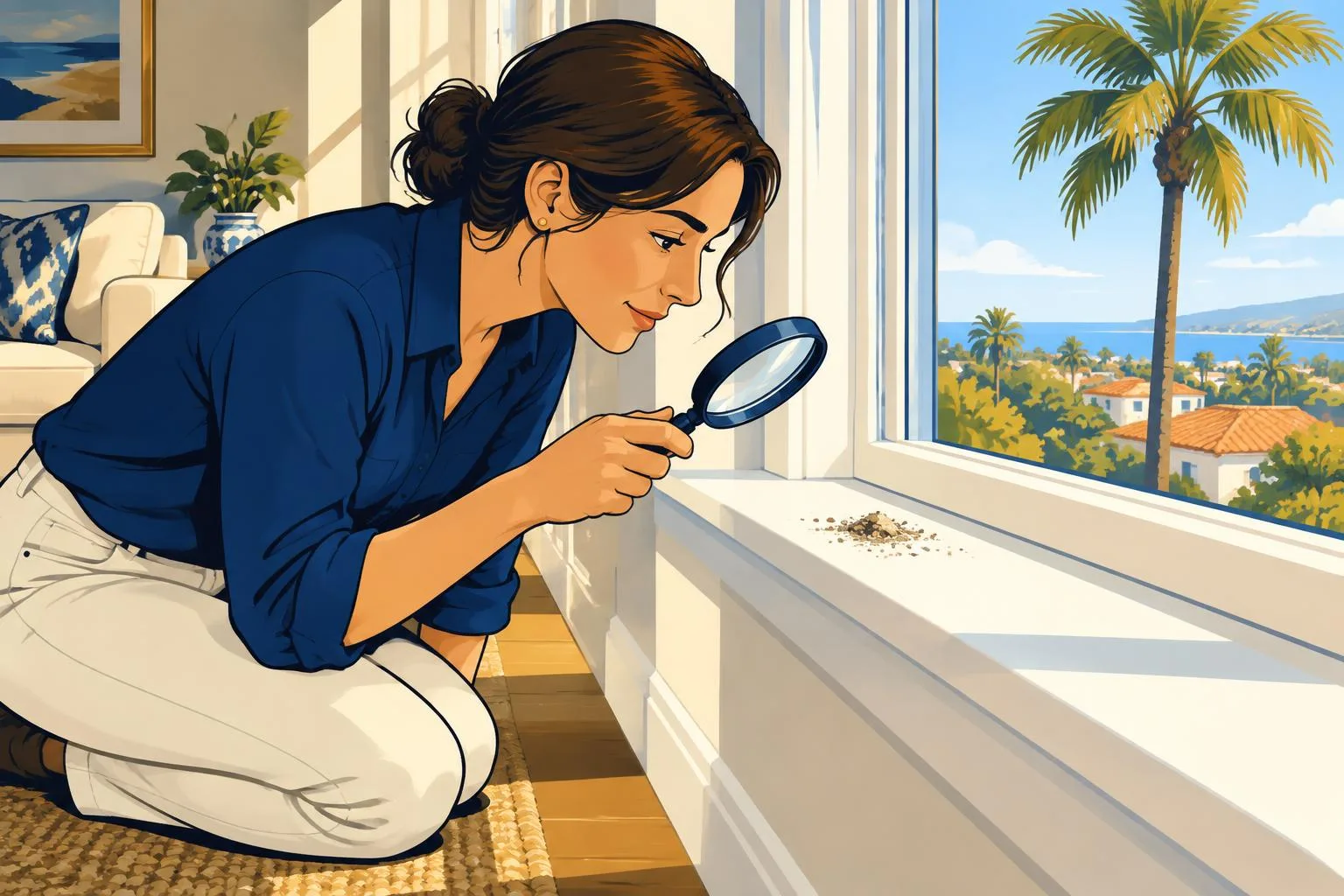 Pest ProblemsNovember 17, 2026
Termite Droppings or Sawdust? What Orange County Homeowners Should Know
Found a small pile of debris under trim or a window? How drywood termite pellets differ from sawdust, what kickout holes mean, and what pellets can and cannot prove.
Read the guide Homeowner TipsNovember 5, 2026
My House Was Tented Five Years Ago. Do I Need Another Termite Inspection?
A home tented years ago is not automatically due for another fumigation, but previous treatment does not guarantee termites can never return. Here is how to think about it.
Read the guide Homeowner TipsNovember 5, 2026
My Neighbor's House Was Tented. Should I Be Worried About Termites?
Seeing a nearby home tented does not automatically mean your home is infested. Here is what tenting generally means and what evidence actually warrants an inspection.
Read the guide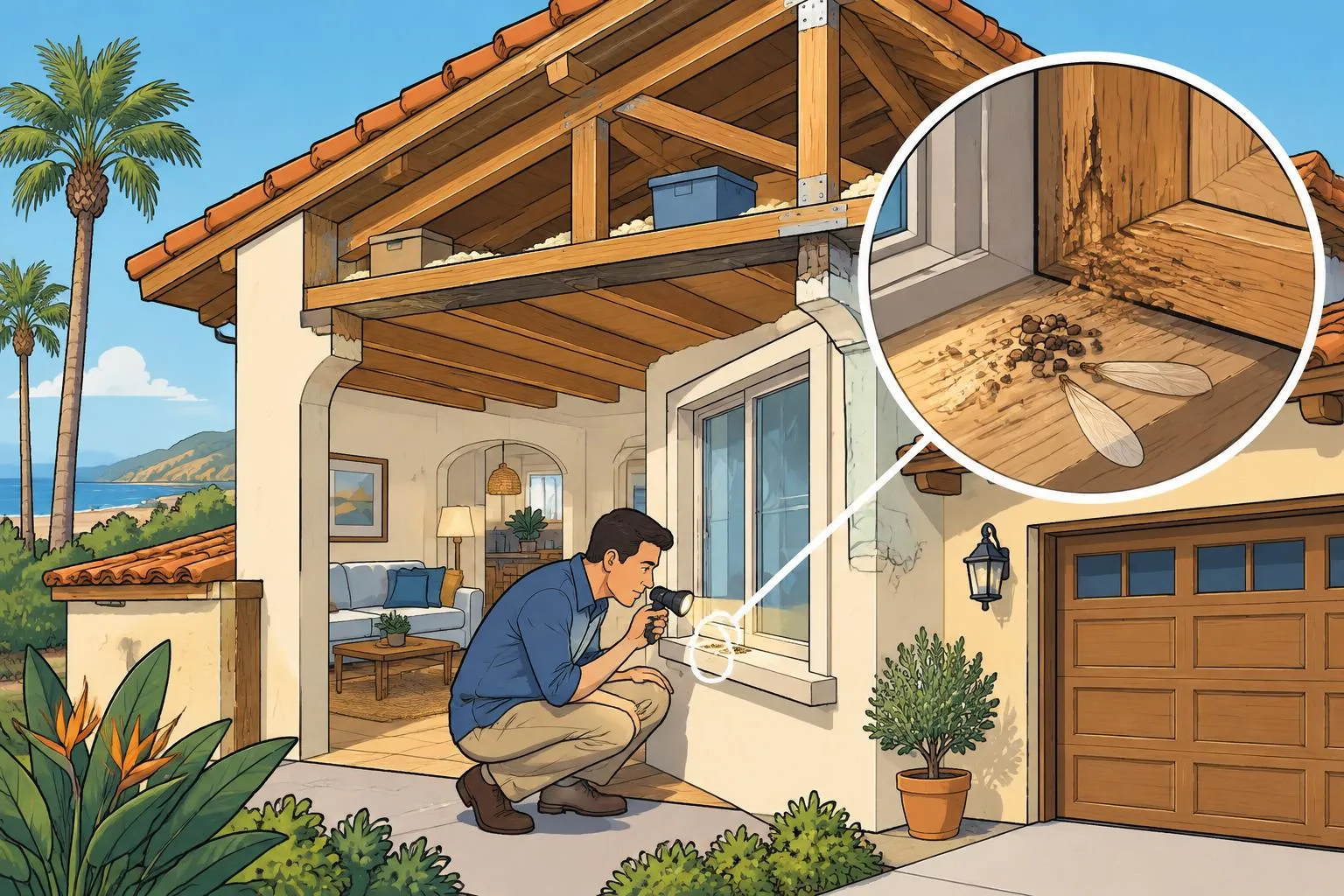 Pest ProblemsNovember 5, 2026
7 Signs of Termites in Your Orange County Home
Wings, pellets, mud tubes and damaged wood are clues, not a diagnosis. Here is what each sign can mean, what it does not prove, and when to call a licensed inspector.
Read the guide Homeowner TipsOctober 29, 2026
Thinking About Switching Pest Control Companies? Here's What Matters.
Seven practical questions for Orange County homeowners comparing service quality, treatment decisions and respect for their home. Craft Over Corporate Quotas.
Read the guide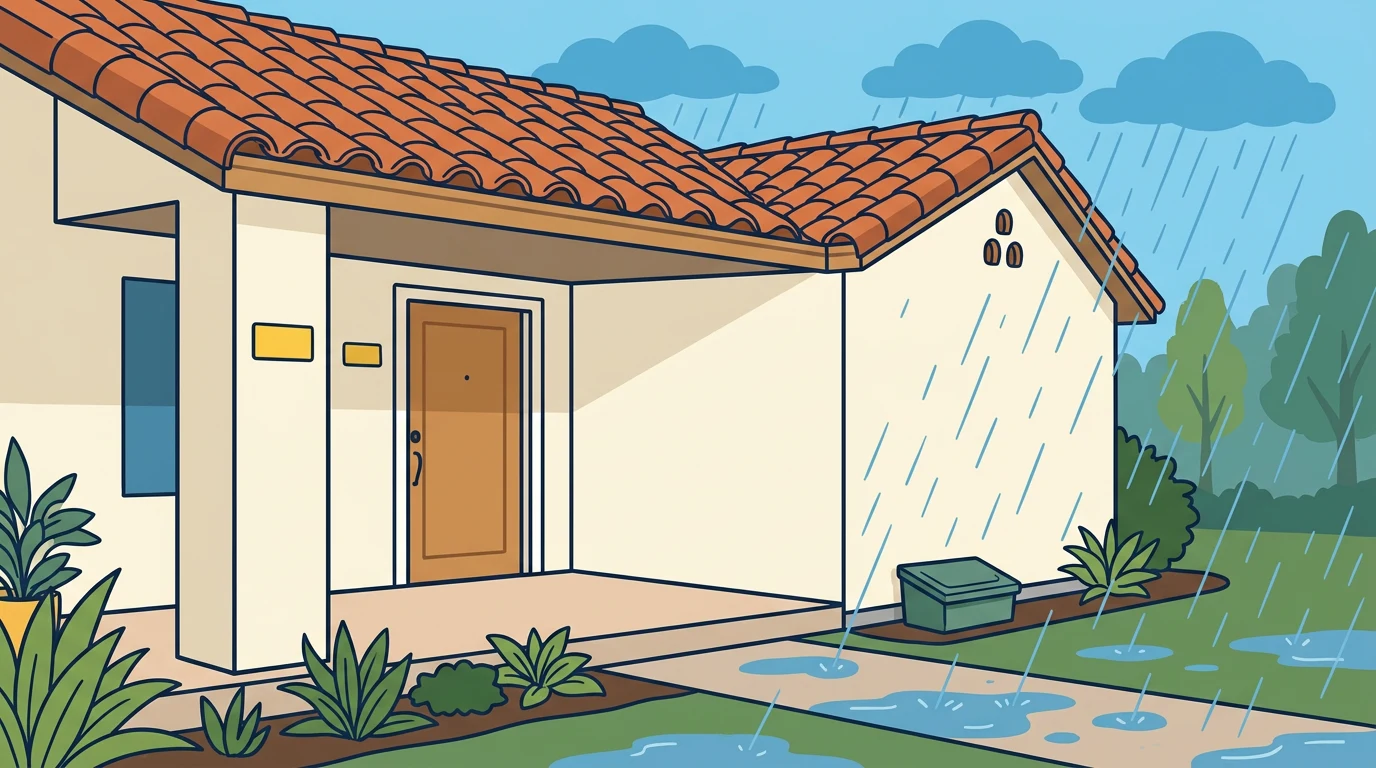 Seasonal AdviceOctober 8, 2026
Does Rain Wash Away Pest Control Treatments?
Sometimes it matters, sometimes it doesn't. Here's how treatment type, placement and label directions affect what rain does — and what to ask your technician.
Read the guide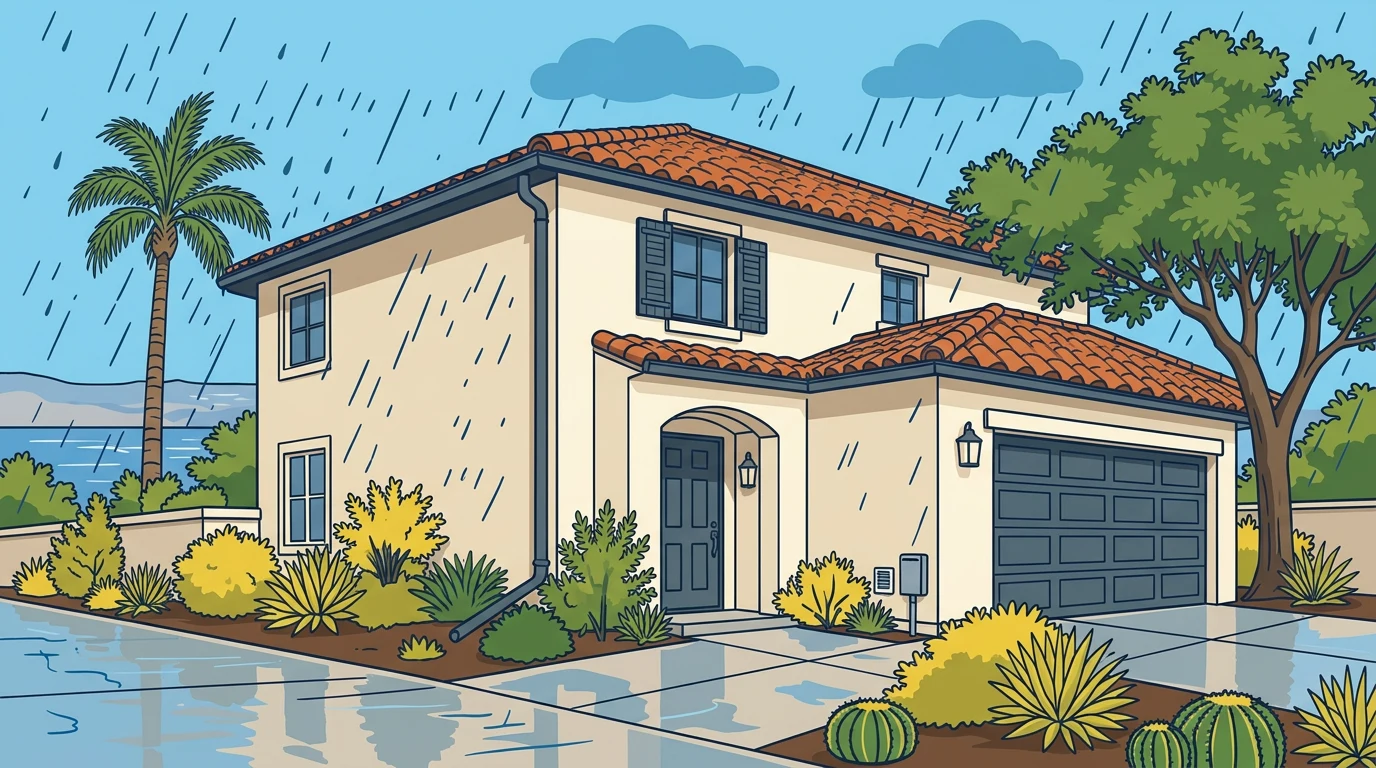 Seasonal AdviceOctober 8, 2026
El Niño and Your Orange County Home: The Pest Prevention Checklist
A strong El Niño is in the forecast. Here's a practical, rain-ready checklist for drainage, entry points and early warning signs — useful whatever the winter brings.
Read the guide Pest ProblemsOctober 8, 2026
Argentine Ants in Orange County: Why They're So Persistent
Why Argentine ants keep coming back to Orange County homes, how to recognize them, where they get in and what actually helps.
Read the guide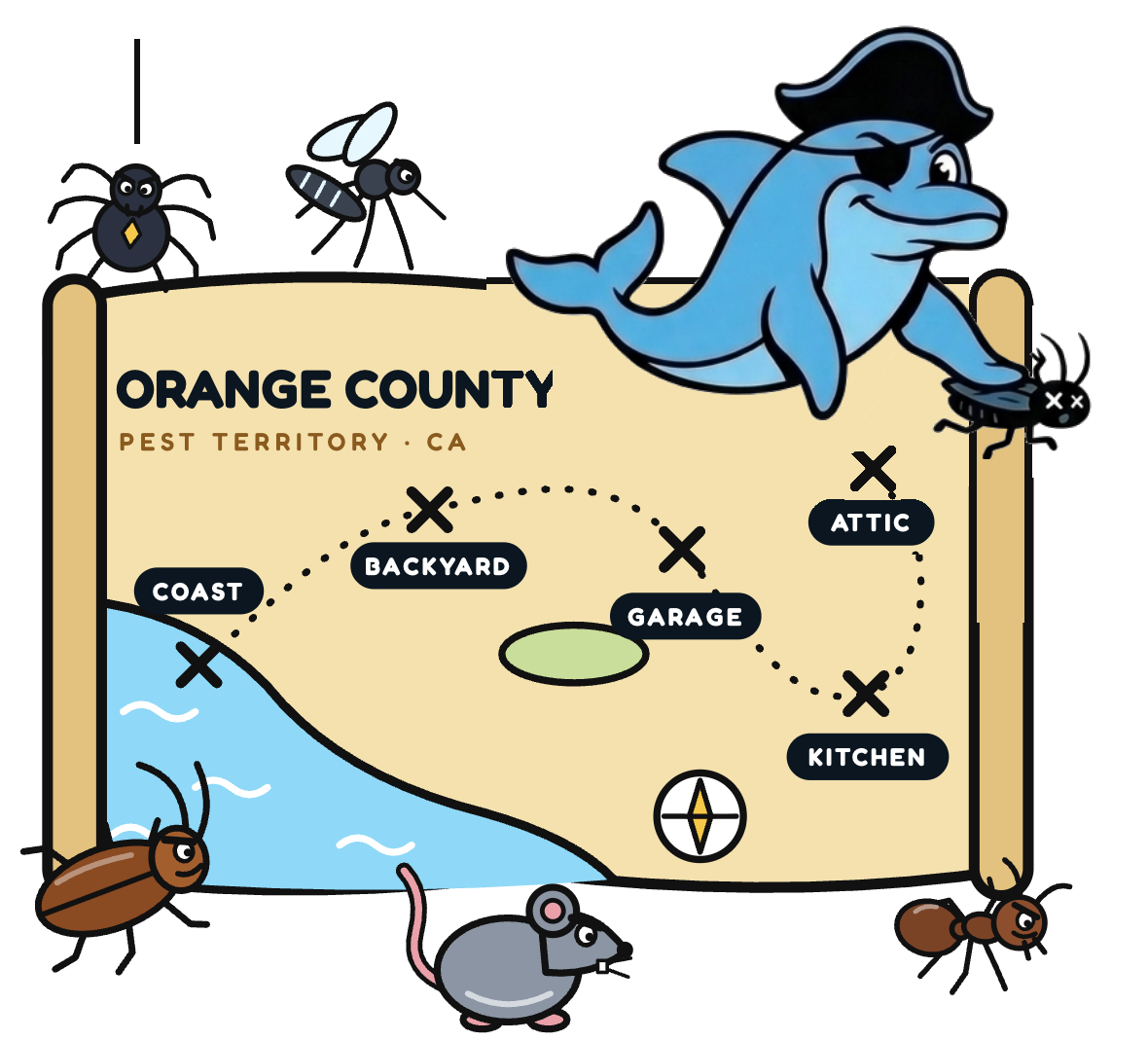 Orange County LivingOctober 8, 2026
Just Bought a Home in Orange County? Your Pest Prevention Checklist
A new home is the perfect time to set up good pest prevention habits. Start with a walk-around: check seals, vents, landscaping and moisture, and fix small issues before they become bigger ones.
Read the guide Homeowner TipsOctober 8, 2026
Why Spiders Love Your Patio (And What You Can Do)
Spiders gather on patios because that's where the insects are. Outdoor lights, plants and clutter attract bugs and offer hiding spots, so spiders set up where dinner comes to them.
Read the guide- Pest ProblemsOctober 8, 2026
Why Do Ants Keep Coming Back to My Kitchen?
Ants keep returning because your kitchen offers food or water, and the colony has laid a scent trail straight to it. Wiping up the ants you see doesn't remove the trail or the nest, which is why they're back the next day.
Read the guide