
Ticks don't get a pass in your backyard.
Backing up to a canyon, walking neighborhood trails, or letting pets run in the yard? We help Orange County homeowners build a defensive perimeter against ticks.
Flea and tick services are not included in the recurring plan. Ask the office about a separate quote. Scope and price are confirmed before any work begins.
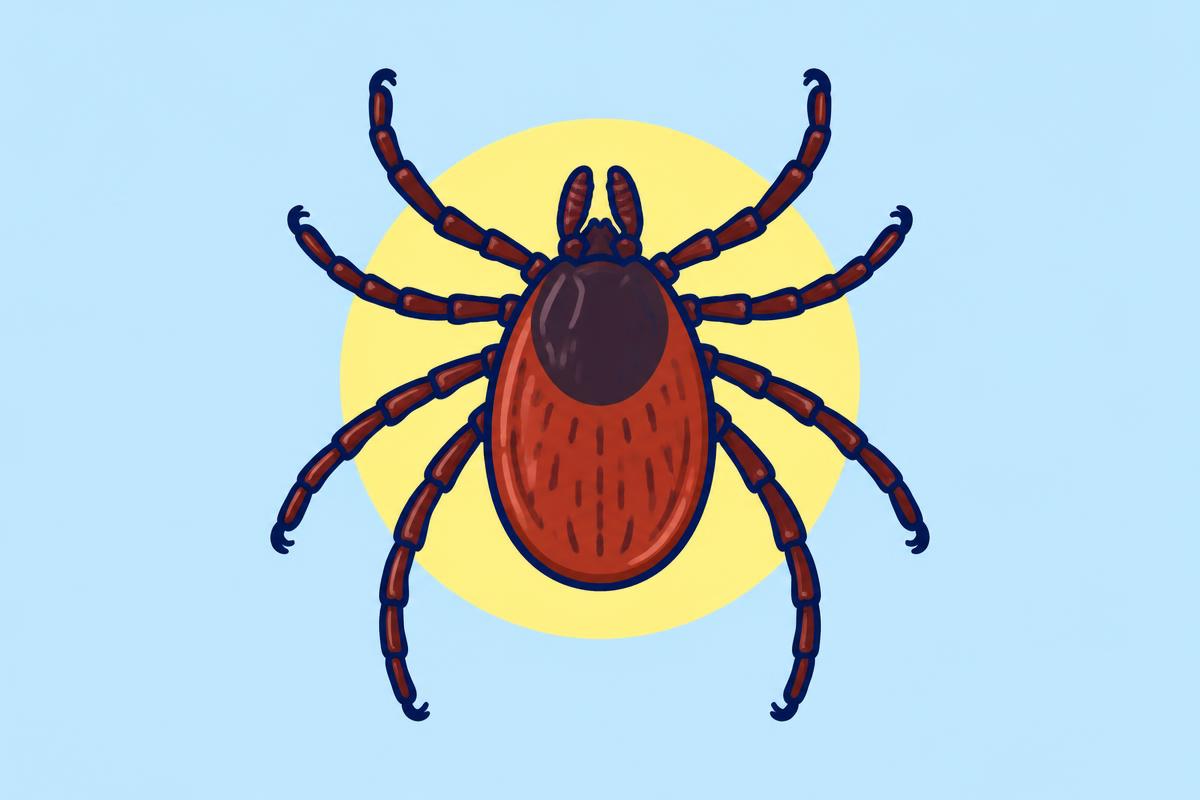
- OC hotspots & entry points
- Fence lines, brush edges, shaded patio borders, wood piles, dog runs and kennel zones.
- Peak local activity
- Spring and early summer questing season, highest on canyon-edge lots in San Juan Capistrano, Rancho Mission Viejo, Laguna Niguel, Coto de Caza and near San Clemente trails.
- The Treasure protocol
- Perimeter audit, targeted barrier work along the brush-to-turf transition and multi-visit follow-up where needed. Specialty service, custom quoted.
Where you'll spot them
- 01
Tall grass & fence lines
Ticks perform “questing” on tall grass blades and brush, waiting for a host to brush past.
- 02
Shaded patio edges & wood piles
Humid, shaded outdoor microclimates where ticks escape the mid-day heat.
- 03
Dog runs & outdoor pet lounges
Ground zones where domestic pets rest after outdoor walks.
- 04
Interior pet bedding
Brown dog ticks can complete their entire lifecycle indoors if brought inside.
Why are ticks active in Orange County?
Canyon trails and open space
Coastal sage scrub and chaparral give ticks habitat right at the edge of our neighborhoods.
Wildlife corridors
Deer, coyotes, and rabbits move ticks through communities like San Juan Capistrano, San Clemente, Ladera Ranch, and Laguna Niguel.
Local species
Western blacklegged ticks, Pacific Coast ticks, and brown dog ticks all occur in Southern California.
Ticks rarely stay put in the hills. Wildlife carry them through neighborhoods, and pets can bring them the last few feet into your yard — or your living room.
Where the canyon meets your lawn.
The transition zone
On canyon-edge properties, coyotes, rabbits and brush lines meet backyard turf and dog runs. That seam is where ticks wait for a host.
Barrier, not blanket
We focus on fence lines, shaded patio edges and kennel zones instead of blanket-treating open lawn that ticks rarely use.
Keep the buffer
Mowing, raking leaf litter and a gravel or woodchip strip between turf and brush keep the zone less inviting between visits.
Less guessing. More getting to the source.
- 1
Perimeter & habitat audit
Inspecting property borders, brush lines, and shaded harborage.
- 2
Targeted barrier treatment
Applying targeted exterior materials along the transition zones between wild brush and manicured turf or patio areas.
- 3
Life-cycle suppression
Multi-visit follow-up when active populations require breaking the developmental cycle.
- 4
Ongoing environmental management
Practical advice on pruning, gravel borders, and moisture reduction.
A few things that genuinely help.
Mow and rake
Keep turf mowed short and rake up fallen leaf litter.
Build a buffer
Create a 3-foot gravel or woodchip barrier between lawn and dense brush or open space.
Check your pets
Inspect dogs and cats after walks on local trails.
Need tick defense for your home or yard?
Call our local team at (949) 844-3663 for a tailored quote.
Questions we hear a lot.
Do you treat the entire lawn?
Are treatments pet-friendly once dry?
How soon can we be in the yard?
Why do ticks show up in yards near canyons?
Are ticks included in the recurring pest plan?
Specialty service scope
Flea and tick services are not included in the recurring plan. Ask the office about a separate quote. A licensed technician confirms scope, and you approve a written quote before any work begins. Treasure Pest does not perform fumigation.